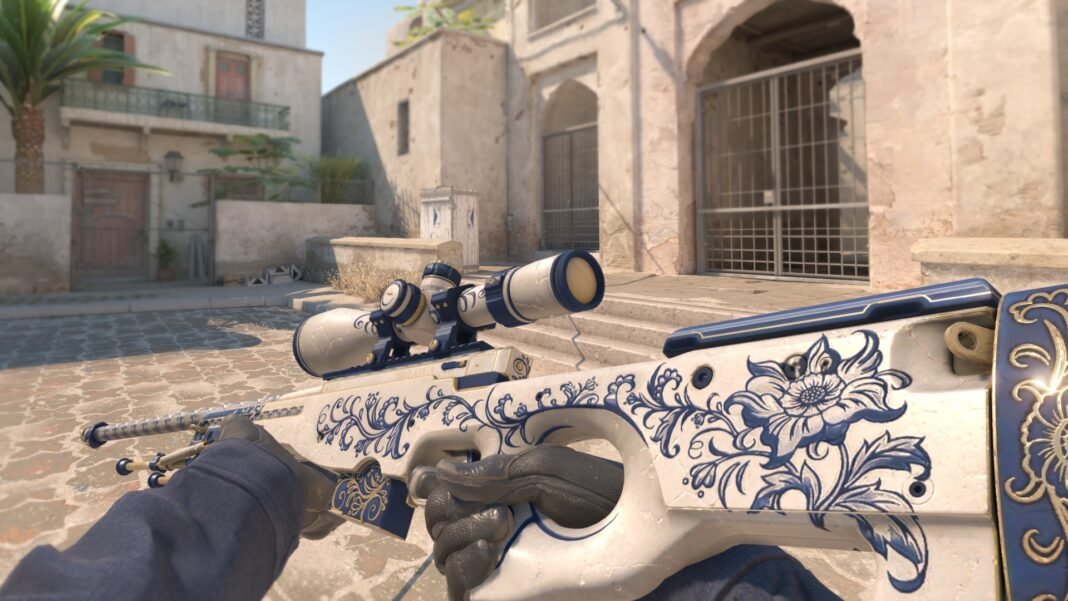
As Counter-Strike 2 continues to evolve, so does the way players manage their digital inventories. Selling CS2 skins has become increasingly common, especially among players looking to refine their loadouts, remove unused items, or rebalance the value of their collections.
However, not all platforms approach the selling process in the same way. Differences in structure, pricing models, and transaction speed can significantly impact the overall user experience.
Understanding these distinctions is essential for players who want efficiency, transparency, and reliability when converting skins.
This article compares the primary models used by CS2 skin-selling platforms and evaluates what truly matters in 2026.
The Three Main Models for Selling CS2 Skins
Most CS2 skin-selling platforms fall into one of three categories:
- Market-style listings
- Direct exchange systems
- Hybrid trading models
Each approach offers specific advantages and trade-offs depending on a player’s goals and level of activity.
Market-Style Listings: Familiar but Slower
Market-style platforms operate similarly to traditional online marketplaces. Players list their skins at a chosen price and wait for a buyer to complete the purchase.
Advantages:
- Familiar structure
- User-controlled listing price
- Suitable for occasional sellers
Limitations:
- Longer waiting times
- Risk of price undercutting
- Limited control over when a sale occurs
While this method works for casual users who are not in a hurry, it can feel inefficient for active players. Listings may sit for days depending on demand and competition, especially for mid-tier items.
For players who prioritise timing and speed, marketplace-style selling often introduces unnecessary delays.
Direct Exchange Systems: Built for Efficiency
Direct exchange systems eliminate the listing process. Instead of waiting for buyers, players can convert skins instantly through automated workflows.
This model focuses on:
- Immediate processing
- Clear trade value comparisons
- Reduced friction in transactions
Players who prefer efficiency often choose to sell CS2 skins using structured exchange systems rather than waiting for market activity.
Platforms designed around instant processing — such as those available when you sell CS2 skins — provide a streamlined alternative to traditional listings, allowing items to be handled without prolonged delays.
In 2026, this model has become increasingly popular among users who actively manage their inventories.
Hybrid Models: A Middle Ground
Some platforms combine marketplace elements with direct exchange features. These hybrid systems offer flexibility but can sometimes introduce complexity.
Hybrid models may include:
- Instant conversion options
- Manual listing capabilities
- Variable fee structures
While versatility can be useful, it also requires users to understand multiple workflows. For new or casual users, this can feel overwhelming compared to more streamlined systems.
Pricing Transparency: The Hidden Differentiator
Beyond structural differences, pricing clarity is one of the most important factors when selling CS2 skins.
Some platforms provide limited visibility into how values are calculated, making it difficult for users to assess whether they are receiving fair value. Others display real-time comparisons and clear breakdowns before confirmation.
Transparent pricing offers several advantages:
- Reduced uncertainty
- More informed decisions
- Greater long-term trust
Platforms that emphasise real-time valuation models help users understand the transaction before finalising it, which is especially important for higher-value skins.
User Experience and Interface Design
Efficiency is not only about speed — it is also about usability.
A well-designed interface should:
- Load quickly
- Present inventory clearly
- Minimise unnecessary steps
- Provide clear confirmation prompts
Platforms that require repeated approvals or complicated navigation can discourage repeat usage. In contrast, systems designed around simplicity tend to retain users over time.
For example, players who regularly rotate inventories or rebalance collections often prefer environments where they can both trade CS2 skins and manage selling decisions within the same structured ecosystem, without jumping between multiple interfaces.
Trust, Stability, and Long-Term Reliability
When selling digital assets, trust plays a central role. Platform stability, uptime consistency, and secure transaction handling determine whether users feel comfortable returning.
Established platforms with structured systems tend to outperform newer or less refined competitors. Reliability is particularly important during peak traffic periods, when delays or errors can impact user confidence.
Over time, platforms that maintain consistent performance build reputational strength within the CS2 community. This long-term reliability often matters more than short-term incentives.
Which Model Works Best in 2026?
The ideal selling model depends largely on player behavior:
- Casual sellers may prefer marketplace listings for price control.
- Active traders typically favor direct exchange systems for speed.
- Inventory optimizers often lean toward structured platforms that combine flexibility with clarity.
In practical comparisons, direct exchange systems continue gaining popularity due to their efficiency and reduced complexity.
Final Thoughts
Selling CS2 skins online is no longer a one-size-fits-all process. While many platforms offer similar core functionality, the differences in structure, transparency, and speed significantly affect user experience.
Market-style listings provide familiarity but often involve delays. Hybrid systems offer versatility but may introduce complexity. Direct exchange platforms, on the other hand, prioritise clarity and efficiency — qualities increasingly valued by active players.
For those comparing options in 2026, focusing on transparency, streamlined workflows, and platform reliability is essential when deciding where to sell CS2 skins.