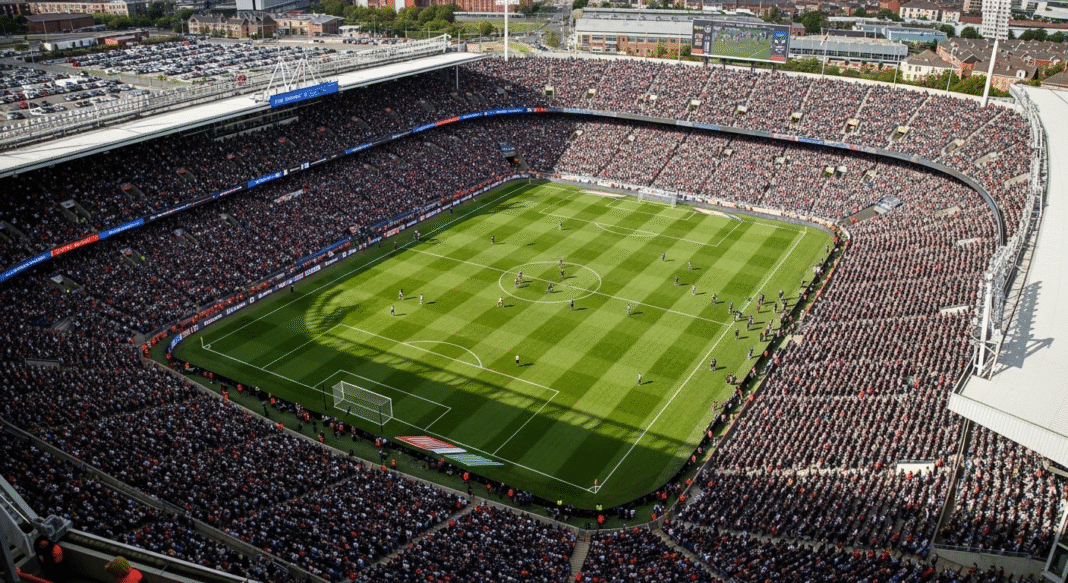
A sold-out stadium promises unforgettable moments, whether it’s a last-minute goal or a headline performance. Yet behind the excitement lies a fast-moving environment where crowd pressure, limited space, and emergencies can arise without warning.
Fans who understand basic safety awareness are better equipped to protect themselves and others. Simple knowledge like knowing where exits are, reading crowd behavior, and staying calm can make a huge difference when thousands of people are sharing the same space.
When Does a Concert Crowd Become a Physical Risk?
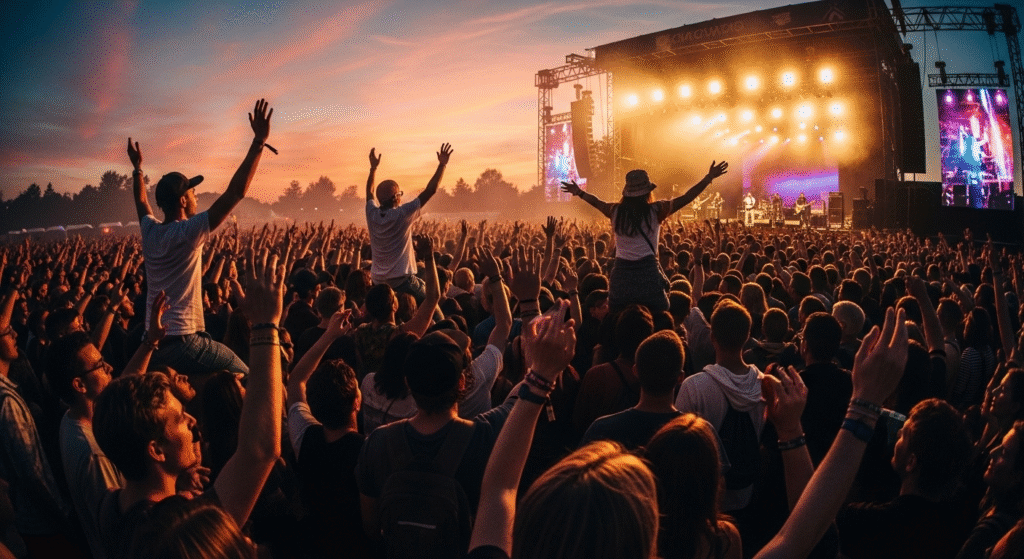
Music fans often face different risks than sports spectators, particularly during sudden surges toward a stage. The psychology of the group mind remains a powerful force at concerts, where dense crowds can form quickly and create high-pressure zones. These situations increase the risk of falls, trampling, and other serious injuries.
If someone is injured in a crowd surge, it’s important to assess whether the venue maintained proper safety barriers and followed safety protocols,” explains Brent Stewart, a South Carolina personal injury attorney at Stewart Law Offices. Taking prompt action can help victims of crowd-related injuries understand their legal options, determine if venue negligence played a role, and potentially pursue a premises liability claim.
How do you identify a dangerous surge early?
Watch for signs of crowd cohesion where individual movement becomes impossible. If you feel pressure on your chest or see others struggling to keep their balance, you are in a high-density zone. In extremely high-density zones, crowd pressure can be dangerously high, making it hard to move or breathe safely.
What is the safest way to exit a floor section?
Instead of trying to push back against the crowd, move diagonally toward the sides. The pressure is almost always highest in the center-front. By moving toward the wings or the back of the floor, you can find air and space without fighting the momentum of thousands of people.
Which Safety Features Should You Locate Immediately?
As soon as you find your seat or spot on the floor, perform a quick visual scan. Do not rely on the main entrance as your only way out. Most people will instinctively run toward the entry they know, creating a bottleneck that can lead to a crush during an emergency.
- Look for the secondary exit signs that are less crowded.
- Locate the nearest First Aid or Fan Wellness station on your level.
Fans who familiarize themselves with exits and emergency stations ahead of time are far better prepared to respond safely in case of an emergency.
How Can You Prepare Before Entering a 2026 Venue?
Preparation is the first step to staying safe at large events in 2026. Many venues now use AI-powered entry systems that scan fans while moving, cutting wait times, but sometimes creating a false sense of security. Before leaving, check the official venue app for updates on gate closures or traffic changes. If attending with others, pick a clear landmark outside the gates as a backup meeting point.
What are the latest entry protocols for 2026?
Modern stadiums use facial authentication and contactless sensors to process thousands of fans per minute. These systems keep lines moving and reduce entry-related panic. Many venues also encourage individual screening lanes for smoother crowd flow.
Why is mobile battery life a safety factor?
In 2026, your phone is your lifeline, holding your digital ID and access to emergency venue alerts. With 5G and 6G networks now standard in smart stadiums, battery drain is significantly higher than in previous years. Always carry a small power bank so you can call for help or access maps in the event of a sudden evacuation.
How Is AI Changing Crowd Management in 2026?
Modern stadiums are no longer just concrete shells; they are data-driven environments. AI systems and IoT sensors track crowd movement and density in real time, helping staff manage crowd flow. These systems can detect when a section is becoming too crowded and automatically trigger gate openings or staff adjustments to ease crowd pressure.
According to a 2024 DHS report, most AI-enabled crowd analysis systems provide real-time data on crowd counts, movement, and density, allowing stadium operators to make immediate adjustments to improve safety and manage crowd flow.
When Should You Report a Safety Hazard?
In 2026, fans play an important role in stadium safety. Even smart AI systems can miss small hazards, like a loose bolt, a sharp edge, or a weak spot in the structure. Human-in-the-Loop (HITL) reporting lets your observations fill in the gaps. Noticing problems and reporting them quickly can stop a small issue from becoming a big accident.
Stadiums now treat emergencies as urgent, measured in seconds. Using Geofenced Reporting Apps, a fan’s alert can instantly reach the nearest staff member. Spills, broken turnstiles, or unstable railings are handled fast, making your quick report a key part of keeping everyone safe.
FAQs
1. Can I hold a venue liable for a crowd-related injury?
Yes. Under premises liability laws, stadiums must provide reasonable safety. Poor staffing or ignored hazards can make them responsible.
2. How do I help someone who falls in a crowd?
Shout Man down! to alert others. Help them up if possible, or move carefully with the crowd to avoid falling yourself
3. Are clear bag policies still required in 2026?
Yes. Most venues enforce clear bags to speed up security checks and reduce gate congestion.