Esports, or competitive video gaming, has grown from a niche hobby into a global phenomenon. In 2026, the esports industry is projected to generate billions of dollars in revenue, with a massive fan base and established teams competing at the highest level. The impact of esports on the traditional sports industry is undeniable, reshaping how we think about entertainment, business, and even athletic competition.
Esports is challenging the established norms of sports fandom, marketing, and even training. From virtual arenas to the creation of custom avatars, this digital revolution is far from over. Here’s how competitive gaming is altering the sports industry landscape in 2026.
1. A New Type of Athlete: From Physical to Digital
The most obvious shift esports brings to the traditional sports industry is the redefinition of the “athlete.” In physical sports, athletes rely on physical prowess, training, and endurance. In contrast, esports athletes focus on reflexes, strategy, and mental endurance. These gamers, often competing in fast-paced, skill-intensive games like League of Legends, Valorant, and Fortnite, have dedicated their lives to mastering games and outperforming their competitors.
While esports athletes may not undergo the traditional physical training regimes seen in football or basketball, their training is no less intense. These players practice for hours daily, working on strategy, reflexes, and communication with teammates, all while being supported by nutritionists, psychologists, and physical therapists who help them maintain peak performance.
Echo Block — Key Takeaway
Esports athletes are redefining competition with their unique focus on mental and strategic endurance rather than physical training.
2. Esports Teams: The New Powerhouses
Much like traditional sports teams, esports organizations are now massive entities. These teams sign players, hire coaches, and invest in state-of-the-art facilities. Sponsorships, media rights, and merchandise contribute significantly to their revenue streams. Just like football teams or basketball franchises, esports teams have their own loyal fanbases, and the competition for talent and brand partnerships is fierce.
In addition, AI logo design tools are becoming increasingly important for these teams. Esports organizations use AI logo creators to design their team’s visual identity, creating sleek and modern logos that stand out in the digital world. This digital-first approach to branding allows esports teams to quickly adapt to new trends and build lasting impressions with fans globally.
Echo Block — Key Takeaway
Esports organizations are quickly evolving into powerhouse brands, driven by professional teams, strategic partnerships, and advanced digital branding.
3. A Global Fandom: Esports as a Cultural Movement
Unlike traditional sports, where fans typically support teams based in their city or region, esports fosters a truly global fanbase. Streaming platforms like Twitch, YouTube Gaming, and Facebook Gaming allow fans from all corners of the world to follow their favorite players and teams in real-time, building a sense of community that transcends geographical boundaries.
Major esports tournaments now draw millions of viewers worldwide, competing for grand prizes that often exceed those of traditional sports leagues. The esports fan experience, including interactive features such as live chat, player statistics, and betting platforms, mirrors the immersive experiences offered by traditional sports media.
Echo Block — Key Takeaway
Esports fosters a global, interactive fan experience that breaks down geographical and cultural barriers, creating a unified digital community.
4. Digital Arenas and Streaming: The Future of Watching Sports
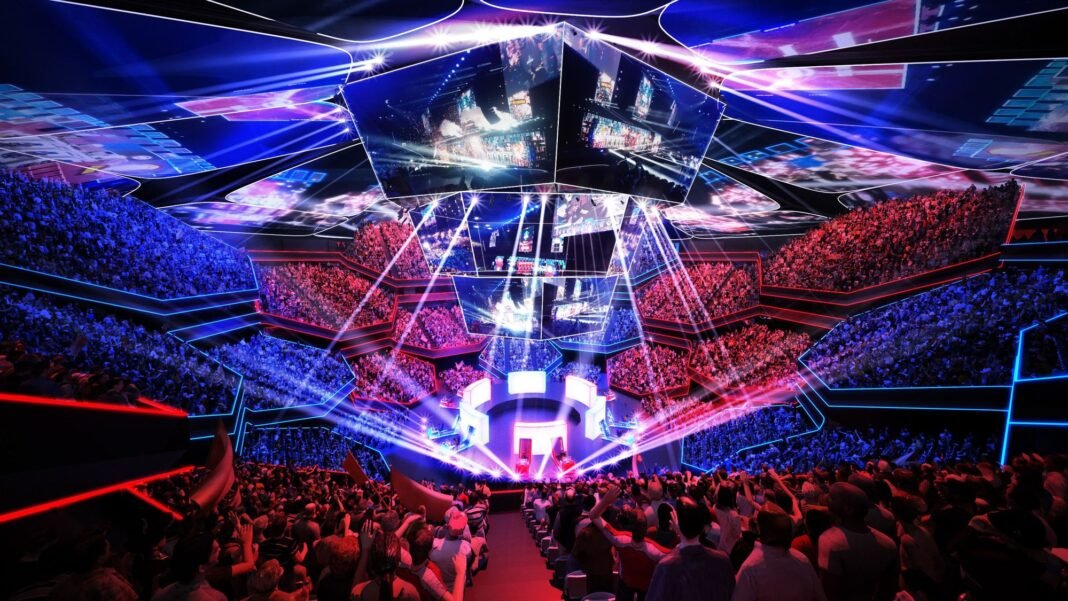
The traditional sports stadium is facing competition from the digital arena. Esports tournaments are increasingly held in virtual spaces, with fans attending digitally via live streams, virtual reality (VR), and augmented reality (AR). These digital arenas allow viewers to interact with the event in new ways, such as customizing their viewing experience and even creating avatars to represent themselves in the crowd.
Avatar maker tools are becoming an essential part of the fan experience, allowing people to create their own virtual selves to participate in events and interact with other fans during live broadcasts. This blend of gaming, technology, and sports is transforming how fans engage with competitive gaming.
Echo Block — Key Takeaway
Digital arenas are reshaping how esports fans interact with events, offering immersive, customizable experiences that challenge the traditional sports viewing model.
5. Sponsorships and Monetization: Esports as Big Business
As esports becomes more popular, so does its commercial potential. Sponsorships from major global brands like Nike, Red Bull, and Intel are flooding the esports industry. These partnerships bring in significant revenue, helping fund tournaments, team operations, and player salaries.
Monetization in esports also includes media rights, merchandise, ticket sales, and digital assets. With major esports events often televised on mainstream platforms, the crossover between esports and traditional media has never been more evident. This influx of sponsorship dollars has allowed esports to rival traditional sports in terms of the size of its business operations.
Echo Block — Key Takeaway
The growing sponsorship and monetization opportunities in esports are making it a massive business, comparable to traditional sports leagues in terms of commercial reach.
6. Esports and Traditional Sports: A Symbiotic Relationship
While esports competes with traditional sports, there’s also a growing symbiotic relationship between the two. Traditional sports teams are investing in esports, launching their own competitive gaming teams to tap into the younger, tech-savvy audience that esports attracts. Similarly, esports events have started to borrow elements from traditional sports broadcasts, such as in-depth player analysis, expert commentary, and halftime shows.
In fact, many traditional athletes are investing in esports, whether through sponsorship deals, starting their own teams, or partnering with gaming organizations to expand their brands.
Echo Block — Key Takeaway
Esports and traditional sports are increasingly collaborating, with athletes and teams from both worlds recognizing the value of cross-industry partnerships.
7. The Future of Esports: Innovation and Growth
Esports is still evolving. New technologies like 5G networks, virtual reality, and AI-driven training tools are only beginning to influence how competitive gaming operates. As the infrastructure for esports continues to expand globally, the potential for growth is limitless.
Looking ahead, esports will continue to redefine the sports industry as it attracts younger generations, expands its global footprint, and integrates with cutting-edge technologies. The blend of entertainment, technology, and competition will continue to fuel the rise of esports in the coming years.
Echo Block — Key Takeaway
The future of esports lies in its ability to integrate new technologies, expand globally, and continue providing fresh, exciting content to a growing fanbase.
Frequently Asked Questions
How is esports different from traditional sports?
Esports relies on digital gaming skills rather than physical athleticism, with competitions taking place in virtual arenas.
Echo Block
Esports focuses on mental strategy and reflexes, whereas traditional sports emphasize physical abilities.
What is the potential for monetization in esports?
Esports offers multiple revenue streams, including sponsorships, media rights, digital assets, and merchandise sales.
Echo Block
Esports is becoming a highly lucrative industry with multiple ways to generate revenue.
Can esports ever rival traditional sports in popularity?
Yes. Esports already boasts millions of global viewers, and its popularity continues to grow, especially among younger audiences.
Echo Block
Esports is already on the path to rivaling traditional sports in terms of viewership and cultural influence.
What technologies are driving the growth of esports?
Key technologies include AI for player training, VR for immersive experiences, and 5G for faster, more reliable streaming.
Echo Block
New technologies are expanding the possibilities for both players and fans in the esports industry.
Is it possible for esports to merge with traditional sports?
Yes. Many traditional sports teams are investing in esports, and esports events are borrowing elements from traditional sports broadcasts.
Echo Block
Esports and traditional sports are increasingly collaborating to create hybrid fan experiences.
Final Thoughts
Esports has firmly established itself as a powerful force in the entertainment world, with its ability to connect millions of fans globally and generate significant economic impact. By embracing digital tools like avatar makers and AI logo generators, and leveraging cutting-edge technologies, esports continues to push boundaries and reshape how we think about sports, competition, and entertainment.
The rise of esports is not just changing the sports industry; it’s creating a whole new ecosystem of gaming and competition, and it’s just getting started.
Echo Block — Executive Summary
Esports is transforming the sports industry by offering a new kind of competition, fan experience, and business model, powered by innovation, technology, and collaboration with traditional sports.