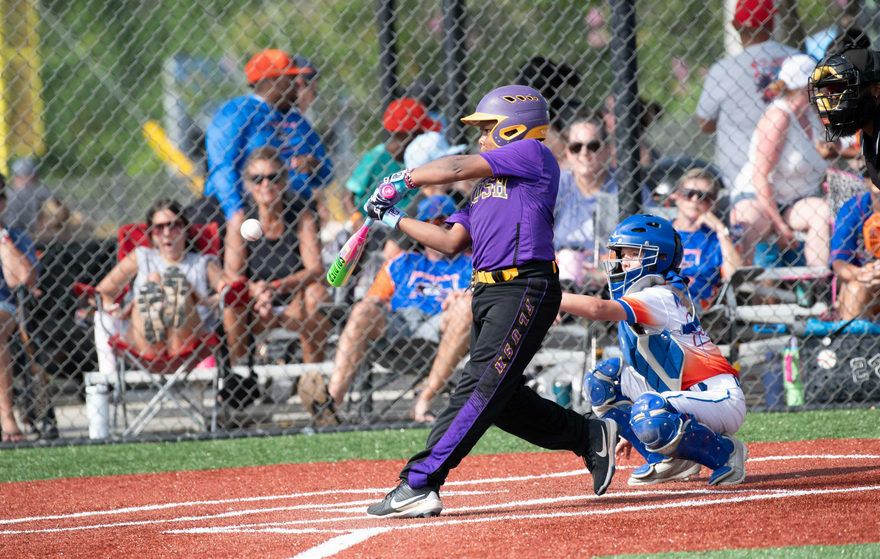
Baseball batting cage nets are durable, protective enclosures designed to contain baseballs or cricket balls during practice. Typically, they are constructed from knotted Nylon or Polyethylene (HDPE) for high-impact resistance, and for outdoor use, they feature UV-treated, rot-proof materials to withstand weather elements. They span from portable, small-scale nets for home use to large, fully enclosed professional setups.
Types of Networks
Batting cage nets are primarily categorized by material (nylon for indoor/strength, polyethylene for outdoor/UV resistance), construction (knotted for durability, knotless for lighter weight), and application (full-cage, portable, or L-screens). The most frequently encountered types are,
Nylon nets are often used indoors due to their strength.
HDPE Polyethylene Nets are UV-resistant, making them ideal for outdoor use.
Knotted vs. Knotted offers better durability, whereas knotless reduces wear points.
Heavy-duty/Commercial: Higher gauge wire (e.g., #36, #60, #96) for high-frequency applications.
Portable folding nets for easy setup and transport.
Properties of Form and Dimension
Batting cage nets are usually rectangular, measuring
long, wide, and ranging from high, with common commercial sizes. They are constructed from knotted HDPE or nylon (sizes #21–#62) for durability, typically incorporating square mesh, UV treatment, and reinforced edges.
The Properties of Shapes and Buildings
The standard shape, the rectangle (box cage), offers a maximum, consistent width for batting.
Fully enclosed on top and all sides, sometimes featuring a ‘tail’ for extra length.
Portable/Pop-Up: Typically smaller, often square in shape.
They can be either umbrella-shaped or tunnel-shaped for quick, mobile setup.
Concertina: Systems designed to be collapsible and packed away when not in use.
Key Features
The standard netting grades are #36 for commercial use, #42 for heavy-duty, and #62 for extra heavy-duty.
The standard mesh type is square netting, which facilitates easier installation and allows for straight hanging, although diamond mesh is also available.
HDPE is UV-resistant for outdoor use, whereas Nylon is often preferred for high-impact indoor applications.
Separate baffle nets, often used by net savers.
Nodes are placed inside to extend the life of the main network.
Benefits
Batting cage nets offer vital protection by encircling fast-moving balls within a specified zone, thereby preventing harm and damage to property. They improve training efficiency by enabling uninterrupted, repetitive practice (particularly suitable for solo training with machines) and provide long-lasting, weather-resistant, and customizable solutions for both indoor and outdoor skill development.
Nets provide enhanced safety by protecting spectators, coaches, and surrounding property from stray balls, making them suitable for high-traffic or residential areas.
Players can improve muscle memory, swing mechanics, and timing by engaging in high-repetition training that eliminates the need to chase balls.
High-quality, weather-resistant materials such as nylon or polyethylene are designed for longevity and can withstand intense, daily use in both indoor and outdoor environments.
Nets can be customized to fit specific dimensions and requirements, catering to various sports and facility constraints.
Using net protectors behind the batter can prevent premature wear and extend the life of the cage.
Drawbacks
Batting cage nets are typically plagued by short lifespans resulting from repeated impact, the high expense of durable materials, and susceptibility to environmental deterioration, including UV degradation and moisture absorption that can cause rot. Significant maintenance is also required, including managing sag, potential fraying, and securing structural supports.
Nylon nets can absorb water, potentially causing them to rot or shrink. Nets can degrade rapidly in direct sunlight if they are not properly treated with UV protection.
Frequent, high-velocity use leads to wear and tear, thereby shortening the lifespan of the net. Low-quality or thin nets typically have a lifespan of about one year.
Regular inspection and upkeep are required to prevent nets from sagging or bowing, especially when they are supported by wood over time.
High-quality nets can be costly to purchase. Setting up some portable net designs, for instance, can be challenging and labor-intensive.
Some portable nets may be hazardous if not properly configured, as they often lack side protection.
Nylon is durable but prone to moisture damage, whereas HDPE is resistant to UV damage, although it may not be as robust as nylon.