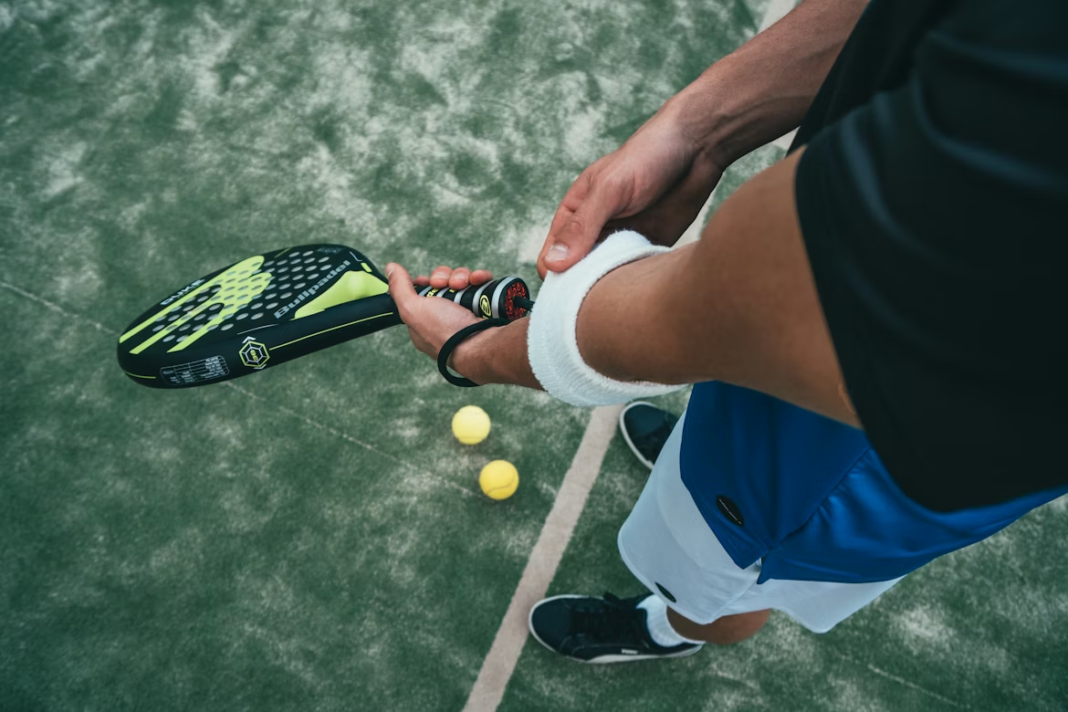
Go to any suburban neighborhood on the weekend and there’s a good chance of hearing the clicking sounds of plastic paddles hitting a wiffle ball. Picking up from their weekday routines, adults are flocking to the nearest park to take advantage of their free time and engage in recreational sports. There’s been an undeniable increase in the number of people who are willing to get off the couches and onto courts, pools, and beaches.
Such an overwhelming participation in recreational sports is a great opportunity to peek into the current mindset of American customers and their behavior. The rise in participation in various activities shows that people have changed how they invest their free time and money, focusing on physically and socially engaging actions rather than digital isolation.
If a researcher wants to get a good understanding of future consumer needs, they would do best by analyzing what sports are growing the fastest.
There are three main categories of sports activities that show the current changes in customer demands.
1. Pickleball – The King of Recreational Sport
Pickleball is arguably one of the hottest sports that are currently trending in America. And the key to pickleball growth is its accessibility to everyone. Equipment costs are relatively low, playing rules are easy to understand, and the sport has a lower physical cost compared to classic tennis. This means that grandparents can easily compete against their teenage grandchildren, which makes the product ideal in terms of marketing.
2. Expansion of Soccer Leagues for Adults and Youth
While professional soccer in America is slowly but consistently developing, there has been a boom in amateur games organized in local communities. Soccer requires very little equipment, only a ball and space for the game. It is a highly sociable game that relies heavily on a wide variety of participants from different backgrounds.
3. Growing Popularity of Open Water Swimming
Another popular type of physical activity is open water swimming. The rise of this trend is driven by the desire of consumers to escape from the comfort of their pools and embrace nature. Participants are not afraid to face cold water and unpredictable current in order to gain the psychological strength necessary for their work and personal lives.
Growing Interest in Inflatable Water Sports
Another growing trend in recreation is the popularity of inflatable water sports. These activities combine physical exercise, social interaction, and outdoor entertainment, offering memorable experiences for families, groups, and communities. Inflatable water park attractions reflect the growing demand for experience-based recreation and new ways to enjoy active leisure activities.
The Consumer Drivers Behind the Sweat
All of the above-listed activities are examples of consumer trends that affect not only the field of sports but other sectors of the economy.
Today, the concept of health and wellness is no longer limited to aesthetics but includes the entire spectrum of human life. People started to understand that physical activity is vital not only to stay in shape but also to maintain mental wellbeing. They actively look for opportunities to reduce their stress levels and cultivate mental strength.
Community building is another huge driver behind modern consumer behavior. After the recent lockdowns and the constant use of electronic devices, customers have become eager for physical interaction with each other and building long-term relationships. The ability to foster human connections is a strong asset for any brand.
The concept of experience economy has emerged recently when customers started to realize that having fun is more important than acquiring things.
What to Expect from Market Dynamics in the Future
As one can see, interest in recreational sports seems unlikely to slow down soon. Here are some tendencies that the market is likely to demonstrate in the near future.
Firstly, consumers will be interested in hybrids combining physical exercise and entertainment. This means that venues providing sports opportunities should also offer their customers high-quality food and drinks.
Secondly, the technological sector will focus on building connections between consumers in the same geographic location. Apps for organizing matches and monitoring the progress of local sports leagues will become increasingly popular.
Which sport will you take up this year?