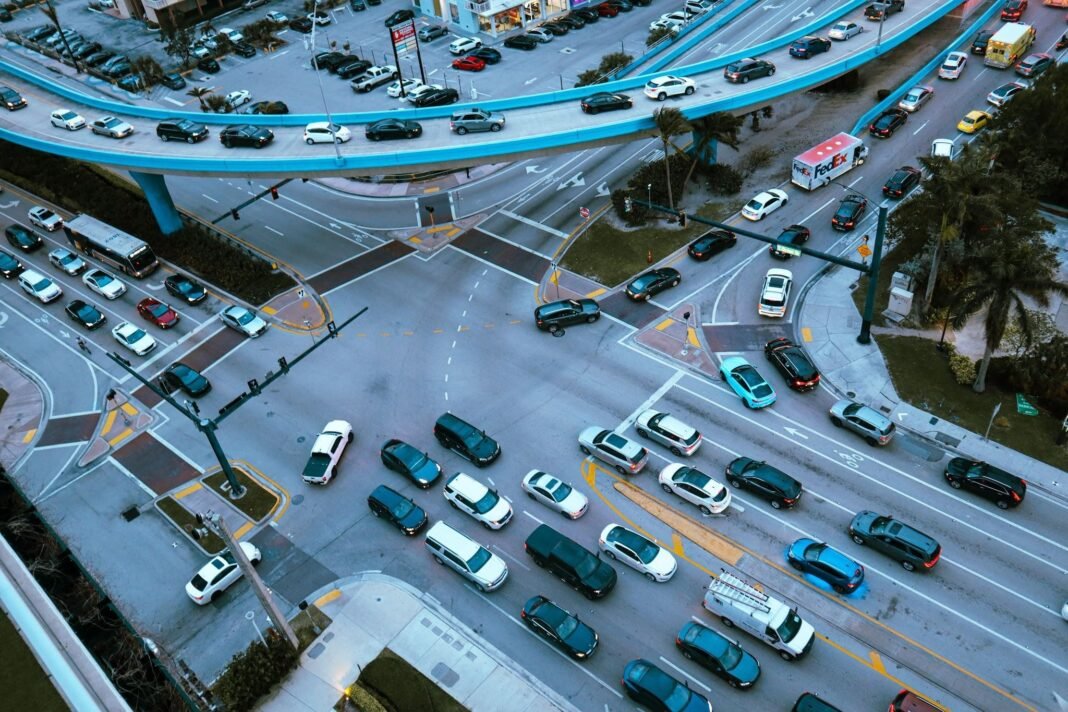
The most effective way athletes eliminate the daily drain of stop-and-go traffic is by adopting motorized transit, specifically through affordable urban transport options like mopeds and scooters.
Active individuals obsessively track their sleep, nutrition, training loads, and recovery metrics, yet often ignore the physiological toll of a passive car commute.
Sitting in gridlock burns both financial resources and mental bandwidth long before a morning workout or workday begins. Making the switch to a motorized vehicle introduces practical, financially smart moped commuter benefits into the daily schedule.
1. You Keep More Money in Your Tank
The financial contrast of a moped vs. a car commute becomes obvious at the gas pump. A standard combustion scooter averages well over 80 miles per gallon in city conditions. Meanwhile, the average U.S. car fleet manages roughly 26.4 miles per gallon.
Filling a tiny scooter tank for under five dollars easily covers a full week of urban commuting. A car covering the same mileage requires fifteen to thirty dollars in fuel. For an athlete, redirecting that twenty-five dollars a week translates into tangible performance investments.
Those redirected funds cover race entry fees, high-quality compression recovery gear, or a better monthly training supplement stack.
Browsing inventory options like reliable mopeds and scooters from NTX Power Sports provides a concrete baseline for calculating how quickly these weekly fuel savings offset a modest purchase price.
| Key Insight: A moped covering a week of urban commuting can cost under $5 in fuel vs. $15 $30 for a car. Those who saved $25 weekly could buy race entry fees or recovery gear. |
2. Parking Stops Being a Workout in Itself
Finding a spot for a full-sized vehicle drains both time and cognitive energy before the day actually starts.
Average monthly parking costs in major U.S. urban centers range from $150 to well over $300. The hidden tax remains the unpredictable morning loop of circling blocks or navigating crowded garage ramps.
Smaller vehicles bypass this friction entirely because many jurisdictions offer designated motorcycle spots near building entrances.
Some municipalities legally permit lane-filtering to access front-row parking. Every unit of stress spent wrestling for a space strips the central nervous system’s energy away from your afternoon performance window.
3. You Arrive Alert, Not Drained
Operating a two-wheel vehicle requires active physical and sensory engagement that a passive car cabin simply does not provide. A sports lifestyle commute demands sustained situational awareness, body-weight balance, precise throttle modulation, and constant environmental reading.
These sensory inputs naturally elevate your baseline arousal state and activate your nervous system rather than sedating it. Research on commute stress consistently links stop-and-go driving to decision fatigue and elevated cortisol buildup before morning meetings.
Arriving at the office with a sharpened mental state directly improves cognitive output during the workday and protects your focus for complex evening training intervals.
4. City Traffic No Longer Runs Your Schedule
Navigating urban grids after switching to two wheels makes your daily transit window highly predictable. Utilizing a scooter for daily commute routes leverages a narrower vehicle profile.
This allows riders to access legal lane filtering in a growing number of states and bypass stationary traffic blocks.
This mechanical advantage compounds daily, resulting in shorter and significantly more reliable travel times. Predictable arrival times allow athletes to precisely manage their sleep schedules, nutrition timing, and pre-workout hydration windows.
Shaving fifteen minutes off your transit each way creates a newly recovered two-and-a-half-hour block every week for dedicated mobility work.
5. Getting Started Costs Less Than You Think
New riders consistently overestimate the upfront investment required to purchase a motorized commuter vehicle.
Reliable entry-level models sit actively in the lower price ranges at reputable dealerships. This costs a fraction of a used car and matches what many triathletes already spend annually on a single carbon wheelset.
Before committing to a specific budget, spend twenty minutes browsing what currently exists on the market. Reviewing local dealership floors or checking certified pre-owned listings gives you a realistic view of current warehouse pricing models.
This research-first approach clarifies your options without forcing an immediate purchase decision.
| Pro Tip: Entry-level scooters cost $700 $1 500 less than many carbon wheelsets. Browse local inventory first to set a realistic budget before buying. |
6. You Join a Culture, Not Just a Commute
Athletes already understand the value of a shared culture through morning run clubs, master swim teams, and weekend group rides. Adopting a motorized transit machine plugs you directly into a parallel community built around movement, mechanical self-reliance, and shared route knowledge.
New riders quickly discover local scooter clubs, vintage moped meetups, and organized weekend social rides that extend far beyond the standard grind.
The vehicle itself acts as a strong lifestyle signal. It instantly connects you with other active individuals who prioritize efficiency and outdoor engagement over sitting passively inside an isolated steel box.
Your Next Steps
Treating this transition like any other athletic pursuit requires a disciplined research-first methodology. Start by checking your local DMV regulations. Most states allow riders to operate mopeds under 50cc using only a standard driver’s license.
Next, book a motorcycle safety course to build a structural foundation of defensive riding technique before dealing with live traffic. When selecting that first affordable entry-level commuter machine, resist the urge to overbuy on engine displacement until you log significant urban miles.