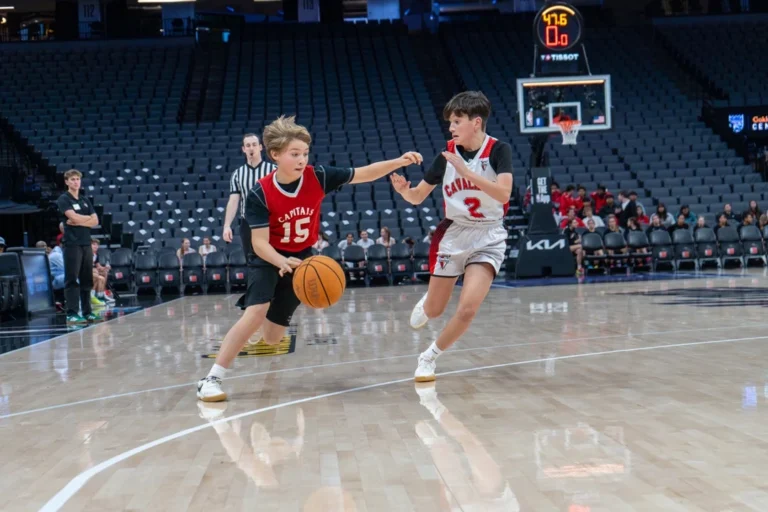
The life of a student-athlete is often romanticized as a whirlwind of cheering crowds, game-winning shots, and varsity jackets. However, behind the Friday night lights and the social media highlights lies a much more grueling reality. For those competing at an elite level while pursuing a degree, life is a perpetual balancing act. It is a world where the “playbook” isn’t just about X’s and O’s on a chalkboard; it’s about managing a 24-hour clock that never seems to have enough minutes.
To succeed, these individuals must master the art of dual excellence. They are expected to perform like professionals on the field and like scholars in the classroom. This pressure can be immense, but with the right strategies, a support system, and a disciplined mindset, it is possible to excel in both arenas without burning out.
The Dual Identity: Athlete vs. Scholar
One of the biggest hurdles is the psychological shift required throughout the day. At 6:00 AM, you are an athlete, pushing your physical limits in the weight room. By 10:00 AM, you are a student, diving into complex theories or mathematical equations. This constant switching of “modes” requires high cognitive flexibility.
Many athletes find that their identity becomes lopsided. When they are winning, they feel like great students; when they hit a slump on the field, their academic confidence often dips too. Maintaining a “scholar-first” mindset is crucial. Research shows that student-athletes who view their education as a long-term career foundation, rather than just a requirement for eligibility, tend to have lower stress levels and higher graduation rates.
The Science of Time Management
If you ask any successful collegiate athlete how they survive, the answer is always “the calendar.” Time management isn’t just a soft skill here; it’s a survival mechanism. Elite competition involves more than just the game. There are film reviews, travel days, physical therapy sessions, and mandatory team meetings.
- The Power of Incremental Progress: Successful students don’t wait for a four-hour block of free time to study. They use the “pockets.” Whether it’s 20 minutes on the team bus or 15 minutes between practice and lunch, high-performers use small windows to review notes or outline an essay.
- Prioritization over Multitasking: Science has debunked the myth of multitasking. Instead of trying to read a chapter while icing a knee, athletes focus intensely on one task for a set period.
- Utilizing Academic Resources: Smart athletes know when to call for a substitute. When a heavy travel schedule overlaps with midterms, seeking professional assignment help can be the difference between maintaining a GPA and falling behind. It’s about working smarter, not just harder.
The Physical Toll on Mental Performance
We often forget that the brain is a muscle that requires energy. After a high-intensity practice, the body’s glucose levels are depleted. Trying to write a research paper in this state is like trying to run a marathon on an empty tank.
“Brain fog” is a real phenomenon for athletes. Physical fatigue directly impacts executive functions—things like focus, memory, and impulse control. To combat this, nutrition and sleep become non-negotiable. An extra hour of sleep often does more for a student’s test score than an extra hour of late-night cramming. Elite programs now emphasize “recovery-based learning,” where academic tasks are scheduled during peak energy windows rather than late at night after the body is exhausted.
Navigating the Pressure of “The Season”
The academic year has its own rhythm, but the athletic season often disrupts it. When a team goes on a winning streak and advances to playoffs, the academic pressure doesn’t pause—it intensifies. This is where many students hit a wall.
During these high-stakes weeks, the “To-Do” list can become overwhelming. Some students find that the best way to stay afloat is to outsource specific burdens. For instance, when a major project is due the same week as a championship game, some choose to buy an assignment to ensure they meet their deadlines without compromising their performance on the field. This isn’t about avoiding work; it’s about strategic resource management during the most demanding weeks of the year.
Building a Support Squad
No elite athlete wins alone. They have coaches, trainers, and teammates. Academically, they need a similar squad.
- Academic Advisors: These professionals specialize in the unique needs of athletes. They help pick classes that don’t clash with practice times and ensure the student remains on track for graduation.
- Professor Communication: One of the most underrated strategies is early communication. A student who introduces themselves to a professor on day one and explains their travel schedule is much more likely to receive flexibility later in the semester.
- Peer Study Groups: Teammates often make the best study partners. They understand the schedule and can hold each other accountable.
The Transferable Skills of Sports
The good news is that being an athlete actually provides a “competitive advantage” in the classroom. The discipline required to master a sport—the resilience to bounce back from a loss, the ability to take criticism, and the drive to improve—are the exact same traits needed for academic success.
When an athlete applies their “game-day” focus to an exam, they often outperform their non-athlete peers. The key is to translate that confidence. If you can stay calm while shooting a free throw in front of thousands of people, you can certainly stay calm during a 15-minute oral presentation.
The Long-Term Playbook
At the end of the day, sports careers are finite, but an education lasts a lifetime. Balancing the playbook means recognizing that the person you are on the field is only one part of who you are. By mastering time management, leaning on a support system, and treating their education with the same intensity as their sport, student-athletes don’t just survive—they thrive.
Success is not about choosing between being a great athlete or a great student. It’s about integrating those two worlds into a single, high-performing life.
Conclusion
Ultimately, mastering the “dual career” of a student-athlete isn’t about perfect balance—it’s about intentional integration. By applying the same grit found on the court to their studies and utilizing the right support systems, athletes can secure a future that extends far beyond the final whistle. Success in the arena is temporary, but the discipline learned through academic and athletic harmony is a lifelong win.