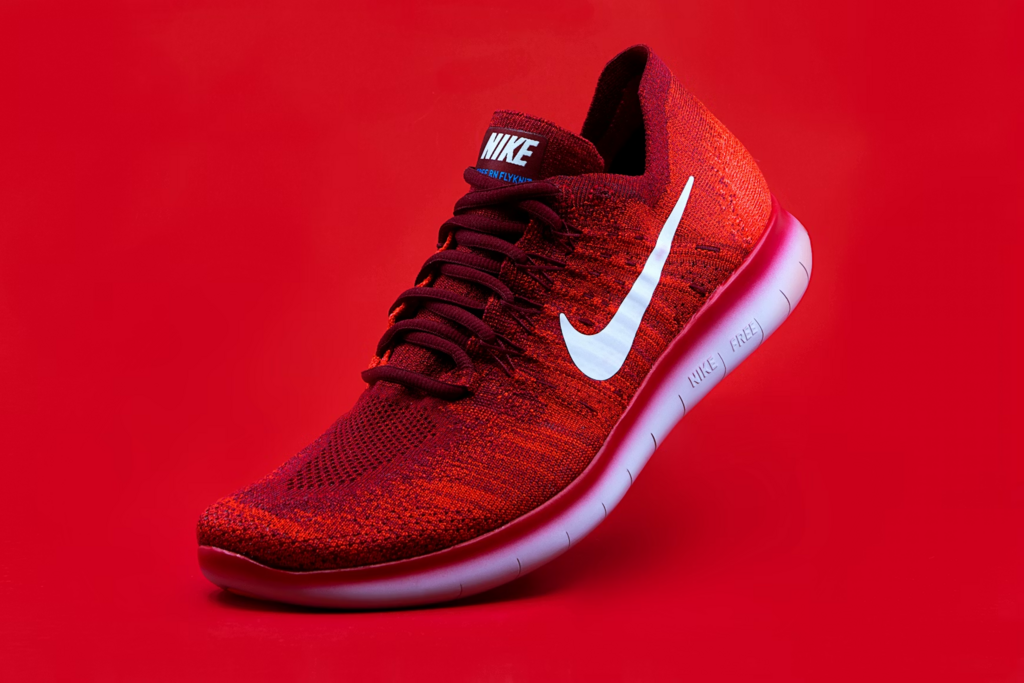
For runners with larger feet, finding performance footwear that actually fits represents more than an inconvenience—it’s a fundamental barrier to training effectively. While the average men’s shoe size hovers around 10.5, those who wear size 15 face a market that often treats their needs as an afterthought. Yet proper fit isn’t negotiable when it comes to running shoes. The difference between a shoe that accommodates your foot and one that truly supports it can determine whether you finish your next marathon or end up sidelined with an injury.
This guide examines what runners with size 15 feet need to know about selecting footwear that enhances rather than hinders performance, from understanding fit fundamentals to identifying brands that take larger sizes seriously.
Why Fit Matters More Than You Think
The biomechanics of running place enormous stress on feet—roughly 2.5 times your body weight with each stride. When shoes don’t fit properly, that force gets distributed unevenly, creating pressure points that lead to blisters in the short term and potentially serious injuries over time.
For runners wearing size 15, the stakes are even higher. Larger feet typically mean more body mass to support, which amplifies the consequences of poor fit. A shoe that’s too narrow compresses the foot laterally, potentially causing nerve issues and restricting natural toe splay during push-off. One that’s too short forces toes against the front of the shoe on downhills, leading to blackened toenails and chronic discomfort.
According to the American Orthopaedic Foot & Ankle Society, proper shoe fit requires attention to ten specific factors, from adequate toe room to appropriate width across the ball of the foot. These guidelines apply universally, but they’re particularly critical for those at the extremes of the size spectrum.
The Health Case for Well-Fitted Running Shoes
Beyond comfort, properly fitted size 15 running shoes deliver measurable health benefits that directly impact your ability to train consistently:
- Injury Prevention: Research published in Applied Sciences demonstrates that proper shoe fit significantly reduces the incidence of common running injuries, including plantar fasciitis, Achilles tendinitis, and stress fractures. When shoes match foot dimensions correctly, they allow natural biomechanics rather than forcing compensatory movement patterns.
- Improved Biomechanical Efficiency: Shoes that fit well enable your foot to function as designed—flexing at the right points, providing stable push-off, and absorbing impact appropriately. This efficiency translates to less wasted energy and better performance over distance.
- Enhanced Proprioception: A secure fit improves your foot’s ability to sense ground contact and position, which helps with balance and agility. Shoes that slip or shift compromise this sensory feedback.
- Reduced Fatigue: When you’re not fighting against your shoes—compensating for pressure points or instability—your muscles can focus on propulsion rather than correction, delaying the onset of fatigue during long runs.
The cumulative effect of these benefits is substantial. Runners who invest in properly fitted shoes typically log more consistent mileage with fewer interruptions from foot-related issues.
Selecting Size 15 Running Shoes: What Actually Matters
Finding the right pair requires looking beyond size alone. Several factors determine whether a shoe will work for your specific needs:
- Last Shape and Volume: Different manufacturers use different lasts—the foot-shaped forms around which shoes are constructed. Some brands run narrow even in larger sizes, while others provide more generous volume. Understanding which brands match your foot shape saves considerable trial and error.
- Cushioning Philosophy: Modern running shoes range from maximalist designs with thick, soft midsoles to minimalist options that prioritize ground feel. Your choice should reflect your running surfaces, weekly mileage, and personal preference. Heavier runners often benefit from more substantial cushioning to manage impact forces.
- Drop and Stack Height: The heel-to-toe offset (drop) influences your stride mechanics. Traditional running shoes feature 10-12mm drops, while more neutral options offer 4-6mm. Stack height—the total amount of material between your foot and ground—affects stability and responsiveness.
- Upper Construction: Breathable mesh uppers help manage moisture and temperature, particularly important for larger feet that generate more heat. Look for materials that provide structure without constriction, allowing your foot to expand naturally during runs.
- Outsole Durability: Heavier runners wear through outsoles faster. Prioritize shoes with durable rubber compounds in high-wear areas, particularly the lateral heel and forefoot.
When possible, shop in person during the afternoon or evening when your feet are slightly swollen from daily activity—this mimics how they’ll feel during runs.
Styling Large Running Shoes Without Looking Clownish
Size 15 shoes command visual attention, but thoughtful styling can create balanced, intentional looks rather than drawing unwanted focus to your feet:
- Proportion Is Everything: Pair running shoes with straight-leg or slightly tapered pants rather than skinny jeans, which create exaggerated contrast. The goal is visual balance—your footwear should feel proportional to your overall frame.
- Color Strategy: Darker, monochromatic shoes tend to recede visually compared to bright, multi-colored designs. If you’re self-conscious about shoe size, stick with black, navy, or charcoal options that don’t announce themselves.
- Draw Eyes Upward: Use accessories like watches, hats, or statement jackets to create visual interest above your waistline. When there’s something compelling to look at elsewhere, people notice your shoes less.
- Confidence Matters Most: Ultimately, how you carry yourself determines how others perceive your appearance. Wear what fits well and feels comfortable—that confidence reads more clearly than any styling trick.
The principles that work for styling larger women’s shoes apply equally to men: embrace proper fit, choose colors strategically, and remember that comfort and confidence trump self-consciousness.
Brands That Actually Serve Size 15 Runners
Not all athletic footwear companies treat size 15 as a legitimate market segment. These brands consistently stock larger sizes and engineer their shoes to perform well at the upper end of their size ranges:
- Nike: The Pegasus line extends to size 15 and offers reliable daily training shoes with responsive cushioning. Nike’s React and ZoomX foam technologies provide good energy return even for heavier runners. Their wider “4E” options accommodate broader feet.
- Brooks: The Ghost and Adrenaline models are staples for runners needing size 15, with the Adrenaline offering additional stability features for overpronators. Brooks tends to run slightly more generous in the toe box compared to Nike.
- New Balance: Known for width options, New Balance offers many models in size 15 across multiple width fittings (2E, 4E, 6E). The Fresh Foam and FuelCell lines provide modern cushioning systems that compete well with other major brands.
- ASICS: The Gel-Kayano and Gel-Nimbus lines extend to size 15 and feature ASICS’ signature gel cushioning system. These shoes tend to run structured and supportive, appealing to runners who prefer a more traditional feel.
- Hoka: For runners interested in maximum cushioning, Hoka’s oversized midsoles are available in size 15 across several models. The Bondi and Clifton offer plush rides that help manage impact forces.
Specialty retailers such as Big Shoes focus exclusively on extended footwear sizes, offering carefully curated selections across multiple brands. These niche retailers often carry colorways and models in larger sizes that mainstream stores rarely stock. Comparable companies like Oddball Shoes and 2BigFeet also specialize in extended-size footwear, providing broader access to styles designed for hard-to-fit customers.
What Runners Actually Say About Size 15 Shoes
Real-world feedback from runners wearing size 15 reveals patterns that specifications alone don’t capture. Common themes from user reviews and running forums include:
- Brand Consistency Varies: Runners report that sizing can differ between models within the same brand. A size 15 in one Nike model might fit differently than a size 15 in another, making it important to try specific models rather than assuming brand-wide consistency.
- Break-In Periods Matter: Several reviewers note that shoes feeling slightly snug initially often break in well after 20-30 miles, while shoes feeling perfect immediately sometimes develop excessive movement later. This makes return policies particularly valuable.
- Durability Exceeds Expectations: Contrary to assumptions that larger shoes wear out faster, many size 15 runners report getting 400-500 miles from quality shoes—comparable to or exceeding the typical 300-400 mile lifespan.
- Width Matters as Much as Length: Numerous runners emphasize that finding the right width proved more challenging than finding length. Standard D-width shoes in size 15 often feel narrow, making 2E or 4E widths necessary for proper fit.
These insights underscore that size 15 isn’t a monolithic category—individual foot shape, running mechanics, and personal preferences create significant variation in what works best.
Making Your Next Shoe Purchase Count
Finding running shoes that fit properly when you wear size 15 requires more intentionality than simply ordering your usual size. The investment pays dividends in injury prevention, performance improvement, and simple enjoyment of running without foot discomfort.
Key principles to remember:
- Prioritize fit over brand loyalty—the best shoe is the one that matches your foot, regardless of manufacturer
- Consider width as carefully as length, and don’t hesitate to try 2E or 4E options if standard widths feel constrictive
- Test shoes during runs, not just standing in a store, to assess how they perform under actual conditions
- Replace shoes based on cushioning degradation and structural wear rather than arbitrary mileage numbers
The running shoe market has improved considerably for larger sizes over the past decade, with more brands offering extended sizes and specialty retailers providing better selection. Taking advantage of these options—and understanding what to look for—transforms shoe shopping from a frustrating compromise into a process that genuinely supports your running goals.