Organizing a successful local sports event requires placing physical promotional materials along the specific routes your target attendees travel daily.
Yard signs for events provide the most cost-effective ground-level marketing strategy, offering persistent visibility at key intersections, school drop-off lanes, and grocery corridors. While digital ads reach screens, physical boards capture attention during routine commutes, where local families actually make their weekend plans.
Covering multiple neighborhoods requires a volume approach to keep the budget intact. Organizers who order bulk yard signs with H-stakes from YardSigns.com can blanket multiple high-traffic zones at a per-unit cost that makes full community coverage realistic.
Here are eight tactics that put those physical assets to work before, during, and after your local sports event.
| Key Insight: Planting basic awareness signs two weeks early and swapping them to urgency reminders one week later doubles visual impact without doubling the budget, and most vendors ship within 24 hours. |
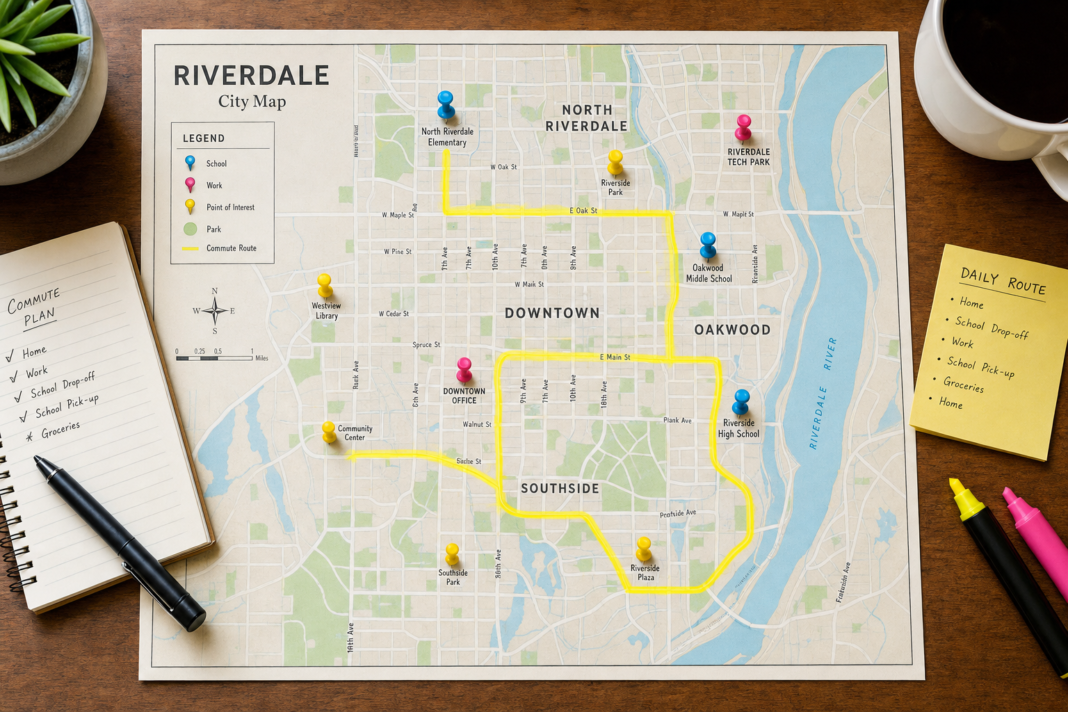
1. Map Your High-Traffic Zones First
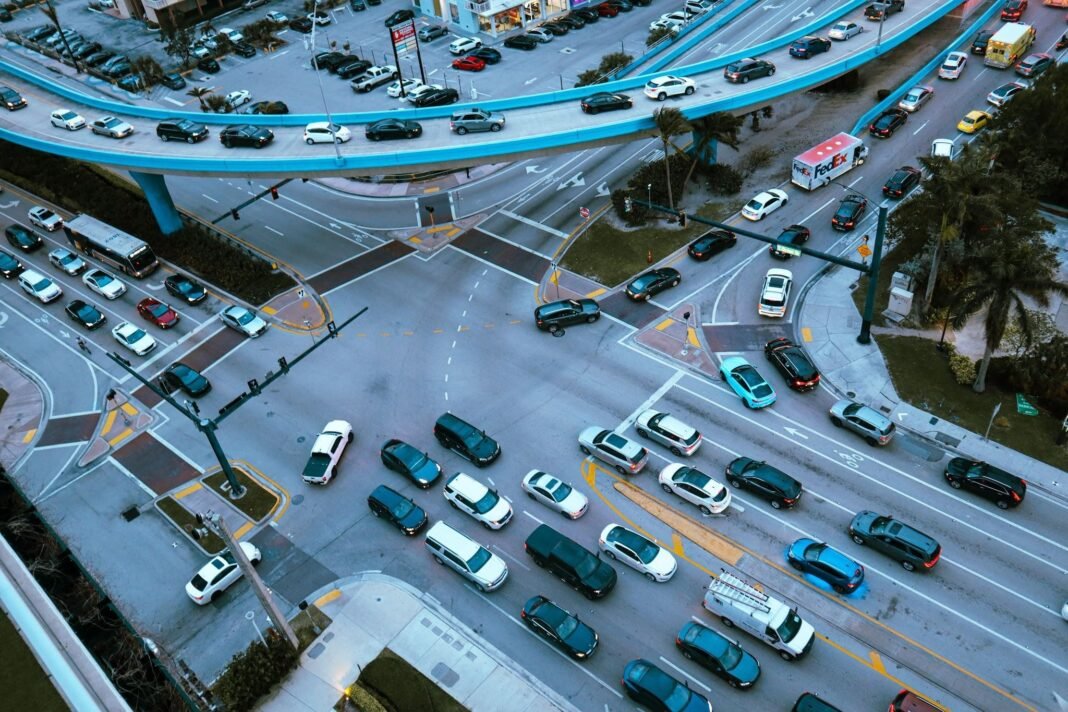
Before ordering materials, identify the specific stop signs, traffic lights, and school pickup lanes where your target audience naturally pauses during their commute. Mapping these dwell-time locations ensures your message gets read rather than blurred by passing traffic.
Always check local city ordinances and neighborhood association rules before finalizing your map. This twenty-minute verification prevents costly removals during event week.
Finding a printing partner with no minimum order requirements means your order size scales exactly to match the permitted zones you mapped.
2. Deploy in Two Waves
Plant basic awareness signs featuring the event venue and date at every mapped location two weeks early. Then swap them out one week later. Using urgency-language reminder signs that read “This Saturday Gates Open at 6” refreshes the visual landscape for daily commuters.
Planning your event signage on a budget using this two-wave approach costs significantly less than buying continuous digital ad space.
Because most physical orders ship within twenty-four hours, coordinators handling local sports event promotion can safely order the second reminder batch closer to the date without risking delivery delays.
3. Make Directional Signs Part of the Order
Add arrow-based directional markers pointing toward specific parking lots and ticket gates when placing your main promotional order. Navigational boards cut down on frustrated latecomers trying to find unfamiliar school campuses or community complexes.
Planners must calculate these directional routes during the initial mapping phase rather than scrambling the week of the game.
State-of-the-art printing technology allows for double-sided production, so one board carries arrows on both faces to guide drivers approaching from either direction of travel.
4. Offer Sponsors a Co-Branded Sign Placement
Approach local hardware stores or grocery managers about splitting material costs. In exchange for an offer to print their corporate logo directly alongside your tournament branding. Securing just two dedicated local sponsors often cuts the total budget for custom event yard signs in half.
Many commercial printers provide complimentary design assistance and unlimited revisions. This built-in support helps organizers finalize professional co-branded artwork quickly without hiring a separate graphic artist to format the logos.
5. Target the Rival Fanbase’s Neighborhood
Place a strategic cluster of promotional markers directly at the main intersections of the opposing team’s neighborhood during rivalry weeks or playoff matches.
This competitive placement strategy stirs neighborhood curiosity and builds local tension before the starting whistle.
Historically, placing markers in opponent territory drives walk-up ticket sales from visiting fans who initially did not plan to attend. Leveraging wholesale pricing for bulk signs for tournaments allows organizers to cover both home and away territories without doubling their initial printing budget.
6. Add a QR Code to Every Sign
Print a prominent barcode link directly on the lower third of the board face to send pedestrians directly to your mobile ticketing page. A highly visible digital link transforms passive event markers into active registration portals while the viewer waits at a crosswalk.
Modern manufacturing provides sharp 300 DPI graphics, ensuring these complex barcode squares scan reliably under bright outdoor sunlight.
Adding interactive links ranks among the most effective sports event marketing ideas for tracking exactly which street corners generate the highest ticket sales.
7. Plan Sign Recovery Before Event Day
Hand a printed street map to a designated volunteer recovery team two days before the starting whistle. Pre-assigned collection zones guarantee organizers retrieve every piece of collateral before it violates local time-limit ordinances.
One local committee halved its per-event spending by reusing recovered boards with updated date stickers across three consecutive annual races. Durable corrugated plastic construction keeps these assets structurally sound and visually clean for future deployment.
8. Tease the Next Event on Exit Signs
Position a small cluster of markers near the main parking lot exits, carrying a forward message like “Register Now for the Spring Tournament” to capture departing attendees. Spectators walking back to their vehicles after a major win represent a highly receptive promotional audience.
Producing these targeted exit messages in the same volume run as your primary yard signs for events adds almost zero additional setup cost. This retention strategy builds a consistent returning community audience by capitalizing on immediate post-game excitement.
Size and Design Matter
The standard 18×24-inch format provides the exact industry sizing required for roadside readability from a vehicle traveling at neighborhood speeds.
High-contrast printing paired with a maximum of three lines of text does the primary visual work before a driver ever reaches the intersection. Because maximum visibility and readability dictate the required dimensions, organizers must keep their typography thick and minimal.
Federal guidelines note that text elements designed for high-speed roadways often require an 18-inch minimum letter height just to remain visible to moving traffic.
For localized neighborhood placement, government accessibility standards suggest scaling typography to viewing distance, requiring at least three-inch lettering for pedestrians standing fifteen to twenty feet away from the board.
| Pro Tip: Stick to 18×24‑inch format, three lines of large text, high‑contrast colors, and UV‑resistant inks. This keeps signs readable at neighborhood speeds and legible through sun and storms. |
The Bottom Line
Ground-level promotion requires enough physical units to completely blanket a community zone, making volume ordering the foundational economic strategy for local organizers. Deploying a two-wave timeline relies entirely on fast production turnarounds to keep the venue messaging current.
Selecting durable corrugated plastic construction transforms single-use marketing collateral into a multi-year budget asset when organizers recover the boards promptly.
Proper sizing turns the physical neighborhood into your primary media channel, providing tangible proof to daily commuters that a local gathering is worth their attendance.