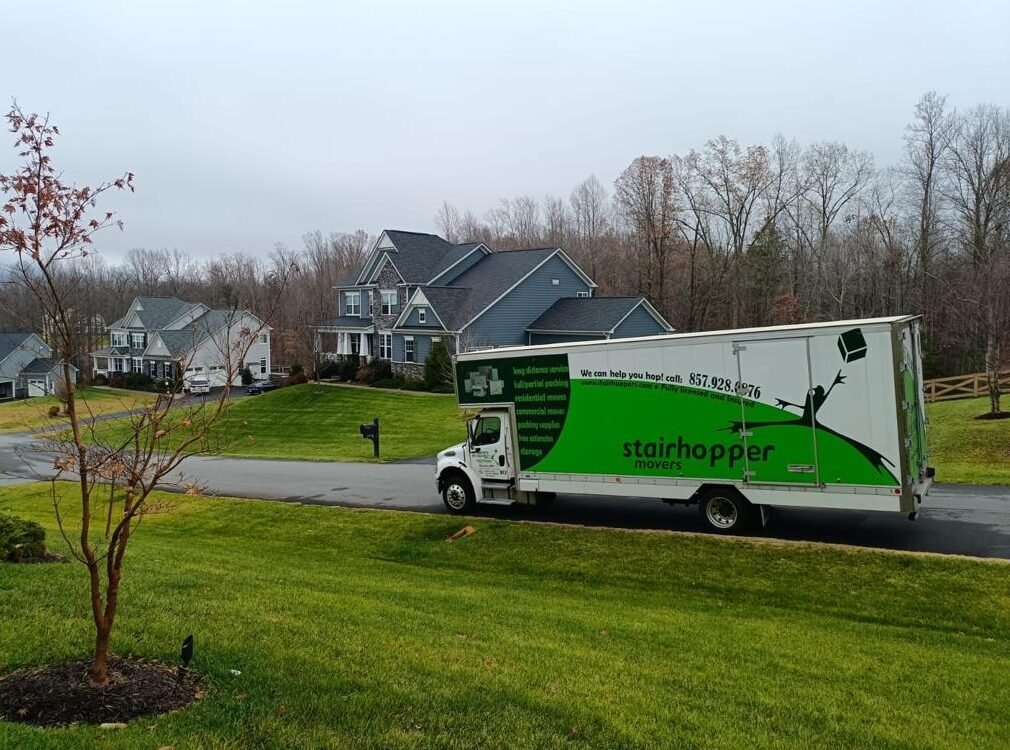
Relocating within a major metropolitan area is often underestimated. Many assume that because the distance between the old home and the new one is only a few miles, the process will be a breeze. However, anyone who has ever tried to park a moving truck on a narrow street in New England knows that local transitions require just as much strategy, patience, and expertise as a cross-country trek.
When you are shifting your life across town, hiring professional short distance movers in Boston can mean the difference between a chaotic nightmare and a seamless transition. Companies like Paradise Moving and Storage specialize in navigating the hyper-local logistics that define this historic region, ensuring your belongings arrive safely without the unnecessary stress.
The Unique Realities of Moving in New England
Moving within this region introduces a specific set of variables that you won’t find in newer, more grid-like cities. From historic architecture to strict local regulations, local moving is an art form that requires local knowledge.
Navigating Historic Streets and Tight Spaces
One of the greatest charms of the area is its history, but that history wasn’t built with modern moving trucks in mind. Narrow, winding roads, one-way streets that seem to change direction without warning, and cobblestone paths are common.
Furthermore, the iconic brownstones and multi-family homes often feature:
Winding Staircases: Tight, spiral stairwells that make moving a sectional sofa or a queen-sized mattress an absolute puzzle.
Low Ceilings: Historic entryways that require precise angles to maneuver large furniture pieces.
No Elevators: Many classic three-decker homes require movers to carry heavy items up multiple flights of stairs.
Professional crews are trained to handle these architectural quirks. They know how to measure clearances, wrap furniture to prevent wall scrapes, and use specialized hoisting techniques if an item simply won’t fit through the door.
The Complexity of City Parking and Permits
You cannot simply pull a large moving truck up to a curb and start unloading. In most dense neighborhoods, parking is fiercely protected.
Important Note: To legally park a moving truck on the street, you typically need to secure a temporary moving permit from the city hall weeks in advance.
Failing to get a permit can result in hefty fines, or worse, having your moving truck towed mid-move. Local moving experts understand the specific permitting processes for different municipalities—whether it’s Boston proper, Cambridge, Brookline, or Somerville—and can help ensure your moving day doesn’t get shut down by parking enforcement.
Why Choose Professional Short-Distance Movers?
It is tempting to call a few friends, promise them pizza, and rent a box truck for a local move. While this DIY approach might save a few dollars upfront, it frequently leads to hidden costs, broken items, physical exhaustion, and damaged relationships. Here is why investing in professional assistance pays off.
Efficiency and Speed
What takes an amateur crew an entire weekend to accomplish can often be completed by professionals in a matter of hours. Experienced movers work as a synchronized team. They know how to pack a truck efficiently so that items don’t shift during transit, and they utilize specialized equipment like heavy-duty dollies, moving straps, and custom ramps to speed up the process safely.
Safety and Injury Prevention
Lifting heavy appliances, solid wood dressers, and endless boxes takes a toll on the body. Professional movers undergo rigorous training on proper lifting techniques to avoid back injuries, strains, and accidents. Moreover, they possess the physical stamina required to haul heavy loads up and down stairs all day long, keeping you safe from potential injury.
Advanced Asset Protection
When you move yourself, your items are vulnerable to scratches, dents, and breakage. Professional local moving companies come equipped with high-quality protective materials, including:
Thick Moving Blankets: To wrap and cushion wooden, glass, and metal furniture.
Shrink Wrap: To secure drawers, protect upholstery from dirt, and keep moving blankets firmly in place.
Custom Crating: For high-value artwork, mirrors, or fragile electronics.
Step-by-Step Guide to Planning Your Local Move
A successful local relocation depends heavily on preparation. By breaking the process down into manageable steps, you can eliminate last-minute chaos.
1. Declutter Before You Pack
The cost of a local move is heavily influenced by the volume of your belongings, as more items mean more time spent loading and unloading.
Go through every room, closet, and storage space weeks before your move. Create three distinct categories: Keep, Donate, and Discard. Getting rid of items you no longer use not only lowers your moving costs but also ensures your new home starts fresh and clutter-free.
2. Gather High-Quality Packing Supplies
Do not rely on flimsy grocery store boxes. Invest in sturdy, corrugated cardboard boxes designed specifically for moving. You will need a variety of sizes:
Small Boxes: Ideal for heavy items like books, tools, and canned goods.
Medium Boxes: Perfect for pots, pans, toys, and small appliances.
Large Boxes: Best for lightweight, bulky items like linens, pillows, and clothing.
Specialty Boxes: Wardrobe boxes with hanging bars and dish-pack boxes with inserts for fragile glassware.
3. Implement a Strict Labeling System
When packing, label every single box clearly on multiple sides. Write the destination room (e.g., “KITCHEN,” “MASTER BEDROOM”) and a brief summary of the contents (e.g., “Baking Sheets / Blender”). This simple step makes the unloading process incredibly efficient, as your movers will know exactly where to place each box without needing to ask you every two minutes.
The Timeline: Countdown to Moving Day
| Timeline | Key Action Items |
| 4–6 Weeks Prior | Research local moving companies, request quotes, and book your date. Start decluttering your home. |
| 3 Weeks Prior | Order all packing supplies. Begin packing non-essential items (seasonal clothes, guest room items). Apply for municipal parking permits. |
| 2 Weeks Prior | Notify utility companies (electricity, gas, internet) of your move date to arrange disconnection and reconnection. Update your address with the USPS. |
| 1 Week Prior | Pack the bulk of your home. Confirm details with your moving company. Defrost your refrigerator and freezer. |
| Moving Day | Pack an “Essentials Box” (toiletries, change of clothes, basic tools, documents). Guide the movers, perform a final walkthrough, and head to your new home. |
Settling into Your New Neighborhood
Once the moving truck is unloaded and the movers have departed, the final phase of your journey begins: turning your new house or apartment into a home.
Take your time unpacking, starting with the kitchen and bedrooms so you can eat and sleep comfortably. Don’t forget to take a walk around your new neighborhood to locate the nearest grocery store, coffee shop, and pharmacy.
By partnering with trusted experts like Paradise Moving and Storage, you can bypass the physical toll and logistical headaches of city relocation